Shardiya Navratri 2025
Shardiya Navratri 2025 is one of the most significant Hindu festivals, celebrated with immense devotion and spiritual fervor across India. In 2025, this auspicious nine-night festival will begin on Monday, September 22, and conclude with Vijayadashami (Dussehra) on Thursday, October 2.
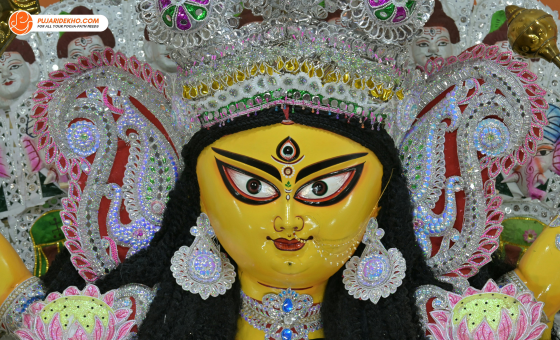
These nine days are dedicated to the worship of Goddess Durga and her nine divine forms, known as Navadurga. The festival symbolizes the triumph of good over evil and the divine feminine power that sustains the universe.
This sacred period is filled with devotion, fasting, rituals, and vibrant celebrations, making it one of the most auspicious times of the year for spiritual seekers and devotees.
Shardiya Navratri 2025 Dates & Tithis
What is Shardiya Navratri 2025?
"Navratri" literally means "nine nights" in Sanskrit. Shardiya Navaratri is observed during the lunar month of Ashwin (September–October), and is considered the most significant of the four Navratris celebrated throughout the year.
During these nine nights, devotees worship the nine forms of Goddess Durga, representing various powers, virtues, and aspects of life. Fasting, chanting, dancing (like Garba and Dandiya in Gujarat), and spiritual rituals are performed to honor the Mata ji and seek her blessings.
Mythological Story Behind Shardiya Navratri
According to Hindu mythology, Shardiya Navratri marks the battle between Goddess Durga and the demon Mahishasura. After a fierce battle that lasted nine nights and ten days, she defeated and killed Mahishasura, symbolizing the triumph of good over evil.
Another well-known legend connects this festival to Lord Rama, who invoked Mata Durga before going to war against Ravana. His victory over Ravana on Dashami (Dussehra) is seen as divine justice and is celebrated as Vijayadashami.
The Nine Forms of Navadurga
Each day is devoted to one of the nine forms collectively known as Navadurga:
Shailaputri (22 Sept) – The daughter of the mountains; represents nature and strength.
Brahmacharini (23 Sept) – The goddess who embodies devotion, austerity, and unwavering spiritual commitment.
Chandraghanta (24 Sept) – The goddess representing serenity, courage, and divine grace.
Kushmanda (26 Sept) – The goddess who originated the universe with her radiant smile.
Skandamata (27 Sept) – The mother of Lord Kartikeya.
Katyayani (28 Sept) – The warrior goddess, slayer of demons.
Kalaratri (29 Sept) – The fiercest form, remover of darkness and ignorance.
Mahagauri (30 Sept) – The goddess of purity and calmness.
Siddhidatri (1 Oct) – The bestower of supernatural powers and wisdom.
Rituals Performed During Shardiya Navratri
Ghatasthapana (Kalash Sthapana): On the first day, a sacred Kalash (pot) is ceremoniously placed, representing the divine presence of Maa Durga in the home.
Daily Puja and Aarti: Each day is dedicated to one form of the Mata Durga and includes offerings, chants, and prayers.
Fasting (Vrat): Many devotees observe fasts throughout Navratri, consuming only specific sattvic foods.
Kanya Pujan (Navami): On the ninth day, young girls (symbolizing the naudevi) are worshipped and offered gifts and prasad.
Havan and Visarjan: A sacred fire ritual (havan) is performed at the end of all days, followed by the immersion or visarjan of the Kalash.
Regional Celebrations
In Gujarat, people celebrate with Garba and Dandiya dances every night.
In West Bengal, it coincides with Durga Puja, where grand pandals are set up to worship Mata Durga.
In North India, Ramlila plays are enacted, and Dussehra is celebrated with the burning of effigies of Ravana.
Spiritual & Astrological Benefits
This is considered the most powerful time for spiritual practices. Performing rituals and puja during these nine days can:
Remove negative energies and planetary doshas
Bring peace, prosperity, and success
Offer health, courage, and mental clarity
Strengthen one’s connection with the divine feminine energy (Shakti)
How to Book Your Puja through Pujari Dekho
Visit: www.pujaridekho.com
Select: Puja Type? Location? Preferred Language
Choose: Pujari Profile & Date
Confirm and pay after confirmation.
Sit Back: Our team takes care of the rest — you just prepare the devotion!
Spiritual Services by Pujari Dekho
Pujari Dekho offers personalized puja services in multiple cities and communities. Our platform enables you to book experienced and certified pandit ji who are deeply knowledgeable in the Shastras and local traditions.
You can book for:
Kalash Sthapana Puja
Durga Saptashati Path
Daily Navdurga Puja
Navratri Havan (Homam)
Kanya Pujan (on Ashtami / Navami)
Dashami Visarjan
Special Garba blessings
Book Now on the website or call our support team. We ensure timely arrival, transparent pricing, and puja samagri support.
Final Thoughts
Shardiya Navratri 2025 is a beautiful opportunity to reconnect with divine feminine energy, cleanse your mind, body, and soul, and bring prosperity into your home.
Whether you’re observing all nine days, performing special havans, or simply doing Kalash Sthapana — let Pujari Dekho be your spiritual companion.
Wishing you strength, wisdom, and success this Navratri, with the divine blessings of Maa Durga!
FAQs
1. When is Shardiya Navratri in 2025?
Shardiya Navratri 2025 will begin on Monday, September 22 and end on Thursday, October 2, with Vijayadashami (Dussehra).
2. Why is it called "Shardiya" Navratri?
It is called “Shardiya” because it falls during the Sharad Ritu (autumn season). Among the four Navratris celebrated in a year, Shardiya Navratri is the most widely observed and spiritually significant.
3. What are the nine forms of Goddess Durga worshipped during Navratri?
The nine forms are: Shailaputri, Brahmacharini, Chandraghanta, Kushmanda, Skandamata, Katyayani, Kalaratri, Mahagauri, and Siddhidatri.
4. What is Ghatasthapana and when is it performed?
Ghatasthapana (Kalash Sthapana) is performed on Day 1 (Pratipada) and marks the beginning of Navratri. A sacred pot (Kalash) is installed to invoke the presence of the goddess.
5. What foods are allowed during Navratri fasting?
Fruits, milk, curd
Sabudana, potatoes, sweet potatoes
Buckwheat (kuttu), water chestnut flour (singhara)
Rock salt (sendha namak)
Avoid: regular salt, onion, garlic, non-veg, and grains
6. What pujas can be booked with Pujari Dekho during Navratri?
You can book:
Ghatasthapana Puja
Durga Saptashati Path
Navdurga Daily Puja
Navratri Havan
Kanya Pujan (Ashtami/Navami)
Dashami Visarjan
Garba blessings (special rituals)
7. Is Navratri suitable for new beginnings?
Yes. Navratri is considered highly auspicious for:
Starting new ventures
Housewarming ceremonies
Buying property, vehicles, etc.
Spiritual commitments and sadhanas
8. What happens after Navratri ends?
On Dashami (Vijayadashami), Kalash Visarjan is done, and the goddess is bid farewell with prayers. It’s also the day of Dussehra, celebrated with joy and devotion.
