Kawad Yatra 2025 Dates
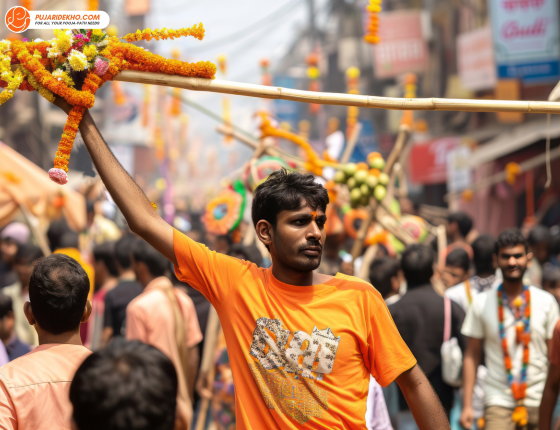
Kawad Yatra 2025 is one of the most revered spiritual journeys observed annually by devotees of Lord Shiva, particularly during the holy month of Shravan (Sawan). This ritual involves carrying sacred water from the River Ganga in specially designed bamboo containers called Kawads, and walking barefoot to Shiva temples to perform Jalabhishek—the ceremonial bathing of the Shiva Linga.
When Will Kawad Yatra 2025 Begin?
In 2025, the Kawad Yatra will commence on July 11 and conclude on July 23, which coincides with Sawan Shivratri—an especially auspicious day for Shiva worship. A massive number of devotees, known as Kanwariyas, are anticipated to take part in this sacred pilgrimage.
Significance of Kawad Yatra
It is not just a religious observance but a deep expression of surrender, discipline, and resilience. According to Hindu mythology, during the Samudra Manthan (churning of the ocean), Lord Shiva consumed deadly poison (Halahal) to save the universe. To cool his burning throat, devotees began offering Gangajal (Ganges water) on Shiva Lingas.
This journey is believed to:
Wash away sins
Fulfill wishes
Offer spiritual awakening
Types of Kawad Yatra
There are different forms of this pilgrimage, based on the level of devotion and physical commitment:
Samanya Kawad: A traditional form in which devotees carry the kawad while walking at a steady, moderate pace.
Daak Kawad: A fast-paced pilgrimage typically completed in 1–2 days, usually without taking any rest.
Kadhi Kawad: A strict form where the kawad must not touch the ground at any point.
Dandi Kawad: A rigorous form in which devotees offer full-body prostration after each step.
Major Routes and Destinations
Devotees choose their routes based on their location and temple preference. Popular starting points include Haridwar, Gaumukh, Gangotri, and Sultanganj, from where Gangajal is collected. Prominent destinations include:
Neelkanth Mahadev Temple (Rishikesh, Uttarakhand)
Baba Baidyanath Dham (Deoghar, Jharkhand)
Kashi Vishwanath Temple (Varanasi, Uttar Pradesh)
Puramahadev Temple (Baghpat, UP)
Augharnath Temple (Meerut, UP)
The most famous route remains Haridwar to local temples in Delhi, UP, and Haryana, covering distances between 100–250 km.
Rituals Followed During the Yatra
Collection of Gangajal: Devotees fill their pots with holy water from the Ganga after prayer.
Barefoot Journey: Most walk without shoes, symbolizing humility and renunciation.
Saffron Clothing: Pilgrims wear orange or saffron garments, denoting purity and devotion.
Chanting: Devotional slogans like “Bol Bam” and “Har Har Mahadev” echo through the roads.
Jalabhishek: It concludes with the sacred offering of Ganga water to the Shiva Linga.
Facilities and Support Along the Way
To support the massive influx of pilgrims, local communities, volunteers, and government authorities organize:
Langars (free meal stalls)
Medical camps and first aid centers
Rest shelters with fans and water facilities
Toilets and sanitation stations
Traffic and crowd management
Spiritual Importance and Mythological Roots
Beyond Samudra Manthan, legends of Lord Parshuram carrying Gangajal to perform abhishek and Shravan Kumar taking his blind parents on pilgrimage also link to this tradition. These stories add layers of cultural richness and historical value to the Yatra.
Essential Tips for Pilgrims
Wear breathable cotton clothes
Carry ID, first-aid, and plenty of water
Avoid traveling alone at night
Respect the discipline of the yatra (no alcohol, no non-veg, celibacy, and personal purity)
Final Offering: The Jalabhishek
The most anticipated moment of the Yatra is the Jalabhishek, during which devotees pour Gangajal over the sacred Shiva Linga. This act symbolizes purification, surrender, and spiritual fulfillment.
Devotees typically schedule this ritual on Shravan Mondays or Sawan Shivratri, regarded as the most sacred and auspicious days.
Conclusion
Kawad Yatra 2025 is more than a physical journey—it's a soul-stirring spiritual voyage. It unites millions in their shared faith, testing their endurance and reaffirming their devotion to Lord Shiva. In a world filled with distractions, this annual pilgrimage serves as a reminder of simplicity, dedication, and the power of collective belief.
FAQs
Q1: What is Kawad Yatra?
A1: Kawad Yatra is an annual Hindu pilgrimage where devotees, known as Kanwariyas, carry sacred water from the Ganga River to offer at Shiva temples, particularly during the holy month of Shravan (Sawan).
Q2: When will Kawad Yatra 2025 take place?
A2: It is set to take place from July 11 to July 23, aligning with the Shravan month and concluding on Sawan Shivratri.
Q3: Who participates in Kawad Yatra?
A3: Millions of devotees, known as Kanwariyas, take part by walking barefoot and carrying bamboo poles holding vessels filled with sacred Ganga water.
Q4: What is the spiritual importance of carrying Ganga water?
A4: The holy water, or Gangajal, symbolizes purity and devotion. Offering it to Lord Shiva during Jalabhishek is believed to bring blessings, cleanse sins, and fulfill wishes.
Q5: What is Jalabhishek?
A9: Jalabhishek is the ritual of pouring holy Gangajal over the Shiva Linga at the end of the yatra, symbolizing devotion and purification.
Q6: Why is the Yatra important?
A10: It is a deeply spiritual journey that honors Lord Shiva, promotes discipline, faith, community spirit, and reflects centuries-old traditions rooted in Hindu mythology.
